The Evolution of Thermoplastics in Injection Molding
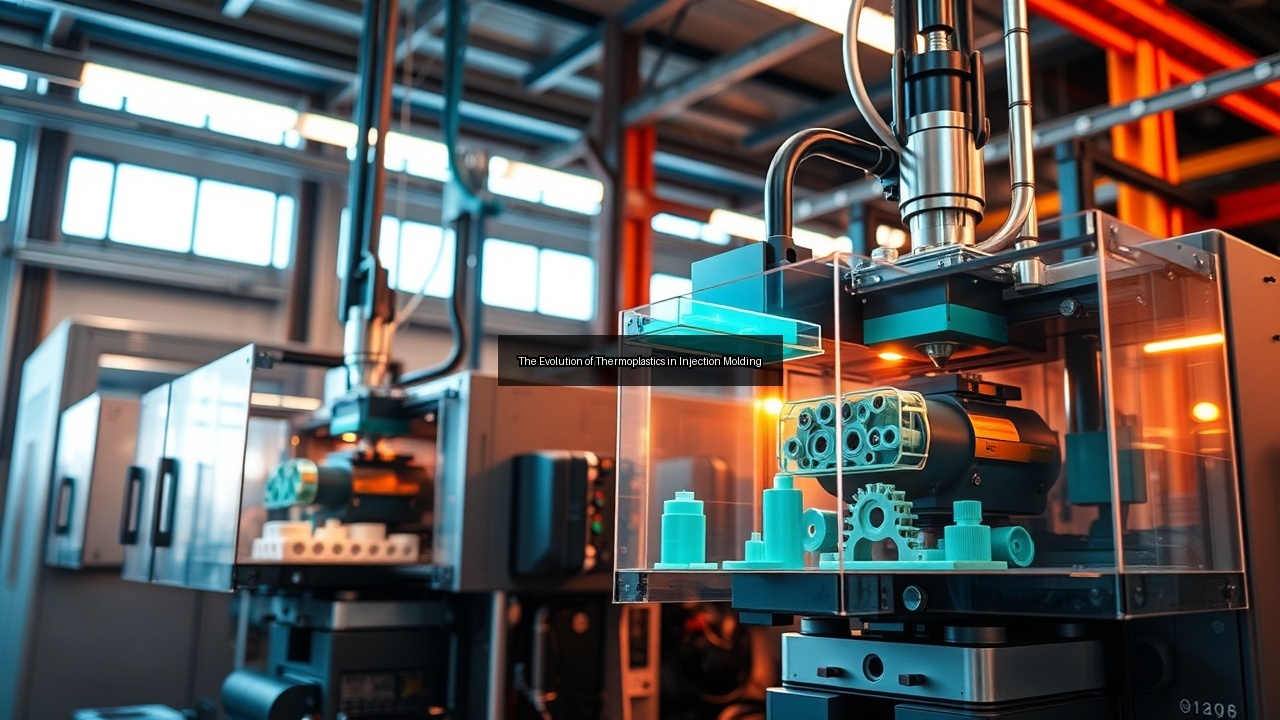
The Basics of Thermoplastics and Their Role in Injection Molding
Understanding Thermoplastics
Thermoplastics are a class of polymers that become pliable or moldable upon heating. This unique characteristic allows them to be reshaped multiple times without undergoing any significant chemical change. Common examples of thermoplastics include polyethylene, polypropylene, polyvinyl chloride (PVC), and polystyrene. Their versatility makes them invaluable in various manufacturing processes, particularly in plastic injection molding. In this process, heated thermoplastic materials are injected into molds, where they cool and solidify into the final product. The ability to repeatedly melt and reshape thermoplastics facilitates efficient production cycles and reduces waste, making them a preferred choice across multiple industries.
Key Properties of Thermoplastics
Thermoplastics possess several key properties that enhance their utility in plastic fabrication. These include excellent chemical resistance, high impact strength, and a broad range of thermal stability. Additionally, thermoplastics exhibit good electrical insulation properties, making them suitable for electronic applications. Their lightweight nature contributes to fuel efficiency in automotive applications, while their transparency and ease of coloring allow for aesthetic considerations in consumer products. The ability to adhere to various manufacturing processes, including injection and thermoforming, further cements their position as a staple in modern manufacturing. Understanding these properties helps manufacturers select the right type of thermoplastic for specific applications, optimizing performance and cost-effectiveness.
The Importance of Thermoplastics in Manufacturing
Thermoplastics play a crucial role in the manufacturing landscape due to their adaptability and efficiency. They facilitate the production of a wide array of products, from everyday household items to complex automotive components. The injection molding process, which relies heavily on thermoplastics, allows for high-volume production of intricate shapes and designs that would be challenging to achieve with other materials. Moreover, thermoplastics contribute to sustainability efforts in manufacturing. They can be recycled multiple times, reducing the environmental impact of plastic waste. As industries continue to prioritize eco-friendly practices, thermoplastics serve as a key material that aligns with these goals while meeting consumer demand for quality products.
The Injection Molding Process: A Deep Dive
Overview of the Injection Molding Process
The injection molding process involves several critical steps that transform raw thermoplastic pellets into finished products. Initially, the thermoplastic material is fed into a heated barrel where it melts. Once the material reaches the desired viscosity, a screw mechanism injects it under high pressure into a pre-designed mold. This pressure ensures that the molten plastic fills every cavity of the mold, capturing intricate details and achieving precise dimensions. After a short cooling period, the mold opens, and the newly formed injection-molded part is ejected. This efficient cycle allows manufacturers to produce large quantities of high-quality plastic components quickly and consistently, making injection molding one of the most popular manufacturing methods today.
Types of Injection Molds
Several types of injection molds exist, each tailored for specific applications and production needs. The most common types include single-cavity molds, multi-cavity molds, and family molds. Single-cavity molds produce one part per cycle, making them ideal for low-volume production runs. Multi-cavity molds, on the other hand, can produce several identical parts simultaneously, enhancing efficiency for high-volume production. Family molds, which accommodate multiple parts of different shapes within a single mold, offer flexibility but require more intricate design and engineering. Selecting the right type of injection mold is crucial for optimizing the manufacturing process and ensuring cost-effectiveness, particularly when working with a plastic mold manufacturer.
Thermoforming vs. Injection Molding
While both thermoforming and injection molding are popular methods in plastic fabrication, they differ significantly in their processes and applications. Thermoforming involves heating a sheet of thermoplastic until it becomes pliable, then forming it over a mold to create a part. This method is generally more cost-effective for producing larger, simpler shapes and is often used for items like packaging and trays. In contrast, injection molding offers greater precision and allows for the creation of more complex geometries. The choice between these two methods largely depends on the specific requirements of the product, including design complexity, production volume, and material properties. Understanding the strengths and weaknesses of each process helps manufacturers select the best approach for their specific needs.
Advancements in Thermoplastic Technologies
Innovations in Plastic Fabrication
Recent advancements in thermoplastic technologies have revolutionized plastic fabrication and injection molding. Innovations such as 3D printing with thermoplastics have introduced new possibilities for rapid prototyping and custom manufacturing. Additionally, improvements in material formulations enhance the performance of thermoplastics, offering better strength, flexibility, and resistance to heat and chemicals. Advanced computer-aided design (CAD) software streamlines the design process, allowing for more complex and efficient mold designs. These technological advancements not only improve production efficiency but also reduce waste and lower costs, positioning thermoplastics as a leading choice in modern manufacturing.
Emerging Trends in Thermoplastics
Several emerging trends are shaping the future of thermoplastics in the manufacturing sector. One significant trend is the increasing demand for biodegradable and bio-based thermoplastics. As environmental concerns rise, manufacturers seek sustainable alternatives that reduce dependence on fossil fuels and minimize plastic waste. Another trend is the integration of smart technologies into thermoplastics, with applications in sensors and electronic devices. The development of thermoplastics with enhanced functionalities, such as self-healing properties and embedded electronics, opens new avenues for product innovation. Keeping abreast of these trends enables manufacturers to stay competitive and meet evolving market demands.
The Impact of Technology on Plastic Molding
Technological advancements significantly impact plastic molding processes, driving efficiency and quality improvements. Automation plays a crucial role in enhancing production capabilities, allowing for faster cycle times and reduced labor costs. Robotics and artificial intelligence streamline operations, from material handling to quality control, ensuring consistent results. Furthermore, data analytics provide insights into production performance, enabling manufacturers to optimize processes and identify areas for improvement. These technology-driven enhancements not only boost productivity but also elevate the quality of injection-molded parts, meeting the high standards required in various industries. Manufacturers that embrace these technologies will likely outperform competitors in the rapidly evolving landscape of plastic fabrication.
Choosing the Right Plastic Mold Manufacturer
Criteria for Selecting a Manufacturer
Selecting the right plastic mold manufacturer is critical for ensuring the success of any injection molding project. Start by evaluating the manufacturer's experience and expertise in the industry. A manufacturer with a proven track record in plastic injection molding can provide valuable insights and guidance throughout the process. Additionally, consider the range of services offered, from design and prototyping to production and post-processing. Quality control measures are also essential; manufacturers should adhere to industry standards and certifications to ensure consistency and reliability. Finally, assess their capacity and turnaround times to ensure they can meet your production schedules without compromising quality.
Benefits of Working with Specialized Manufacturers
Partnering with specialized plastic mold manufacturers offers numerous advantages. These manufacturers bring in-depth knowledge of specific materials and processes, allowing for tailored solutions that enhance product performance. Their expertise can lead to innovative design approaches, optimizing molds for efficiency and cost-effectiveness. Specialized manufacturers are often equipped with advanced technology and equipment, ensuring high precision and quality in the final products. Working with such manufacturers also fosters collaboration, enabling seamless communication and problem-solving throughout the project lifecycle. Ultimately, choosing a specialized partner can result in better outcomes and a more streamlined production process.
Case Studies: Successful Collaborations in Injection Molding
Numerous case studies demonstrate the benefits of successful collaborations between manufacturers and plastic mold manufacturers. For instance, a leading automotive company partnered with a specialized injection molding manufacturer to create lightweight, durable components for electric vehicles. The collaboration resulted in a significant reduction in production costs and improved component performance. In another example, a healthcare manufacturer worked closely with a plastic mold manufacturer to develop custom medical devices using advanced thermoplastics. This partnership not only expedited the product development timeline but also ensured compliance with stringent regulatory standards. These case studies highlight the importance of selecting the right manufacturer and the potential for innovation and efficiency that such collaborations can yield.