The Future of Food Ingredients Driven by Custom Blending Innovations
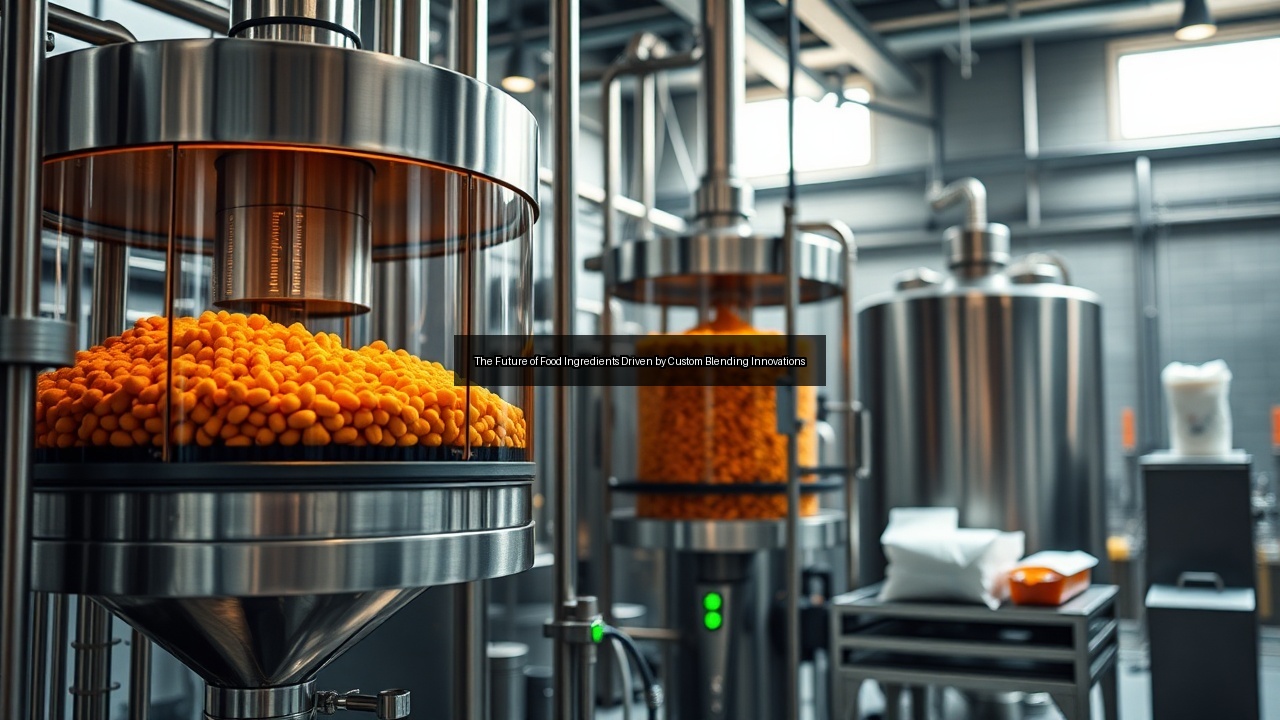
Innovations in Custom Blending Solutions
The Science Behind Custom Blending
Custom blending solutions revolutionize the way food manufacturers approach ingredient formulation. The science behind custom blending focuses on understanding the unique properties of individual food ingredients and how they interact when combined. This involves meticulous analysis of factors such as flavor profiles, texture, aroma, and nutritional content. Food scientists employ advanced techniques, including analytical chemistry and sensory evaluation, to create blends that meet specific consumer demands and regulatory standards. Innovations in technology, such as high-throughput screening methods, allow manufacturers to test multiple combinations quickly, optimizing blends for taste and functionality. The integration of data analytics enhances understanding of consumer preferences, driving the development of tailored solutions that resonate with target markets.
Emerging Trends in Food Ingredients
The landscape of food ingredients is evolving rapidly, influenced by shifting consumer preferences and health-conscious choices. Emerging trends in this arena include the rise of plant-based ingredients and the demand for clean-label products. Consumers increasingly seek transparency in food production, prompting manufacturers to leverage custom blending solutions that highlight natural, minimally processed ingredients. Additionally, the popularity of functional foods—those that offer health benefits beyond basic nutrition—fuels innovation in blending techniques. This trend allows the incorporation of superfoods, adaptogens, and probiotics into everyday products. Custom blends not only enhance flavors but also align with health trends, meeting the needs of consumers who prioritize wellness and sustainability.
Impact of GFSI on Custom Blending Practices
The Global Food Safety Initiative (GFSI) significantly influences custom blending practices across the food and beverage industry. GFSI sets rigorous standards for food safety, quality, and traceability, compelling manufacturers to adopt stringent protocols in their blending processes. Compliance with GFSI standards ensures that custom blends maintain consistent quality while minimizing risks associated with food safety. For manufacturers, this means investing in quality assurance systems and training staff on best practices. By adhering to GFSI guidelines, companies can build trust with consumers, ensuring that their custom blending solutions not only meet taste expectations but also fulfill safety and regulatory requirements. This commitment to quality reinforces brand reputation in a competitive marketplace.
Applications of Custom Blending in Food and Beverage Manufacturing
Beverage Development with Juice Concentrates
Custom blending solutions play a vital role in beverage development, particularly with juice concentrates. Manufacturers leverage these blends to create unique flavor profiles that appeal to diverse consumer preferences. Juice concentrates provide a concentrated source of flavor and nutrients, allowing for the development of refreshing beverages without the need for excessive sugar or artificial additives. By utilizing custom blending techniques, companies can experiment with various fruit combinations, ensuring optimal taste and nutritional value. This innovation not only enhances the sensory experience of the beverage but also supports health-conscious trends. The ability to craft tailored blends helps manufacturers stand out in a crowded market, attracting consumers seeking high-quality, delicious options.
Flexible Packaging for Custom Blends
Flexible packaging emerges as a game-changer in the realm of custom blending. This type of packaging offers versatility, allowing manufacturers to package custom blends efficiently while maintaining freshness and quality. Flexible packaging solutions, such as pouches and films, utilize advanced materials that provide excellent barrier properties against moisture and oxygen, extending the shelf life of food ingredients. Moreover, flexible packaging accommodates various portion sizes, catering to consumer preferences and enhancing convenience. The adaptability of flexible packaging also allows for eye-catching designs that promote brand identity and product differentiation. As food and beverage manufacturers embrace custom blending solutions, flexible packaging becomes an integral part of delivering these innovations to the market.
Batch Production Techniques for Food Ingredients
Batch production techniques are essential for effective custom blending in food and beverage manufacturing. These techniques allow for precise control over the blending process, ensuring consistent quality and flavor in each batch. Utilizing batch production, manufacturers can create smaller quantities of custom blends tailored to specific market demands, facilitating rapid response to consumer trends. This flexibility is particularly beneficial in a fast-paced industry where consumer preferences shift frequently. Implementing advanced mixing equipment and automation technology enhances efficiency and accuracy in the blending process. By focusing on batch production, manufacturers can maintain high standards of quality control while optimizing resource utilization, ultimately leading to reduced waste and improved profitability.
Packaging Considerations for Custom Blends
Primary and Secondary Packaging Solutions
Effective packaging is crucial for the success of custom blends. Primary packaging directly contains the food ingredient, ensuring its safety and integrity. Secondary packaging, on the other hand, enhances product presentation and provides additional protection during distribution. Manufacturers must choose packaging solutions that preserve the quality of custom blends while appealing to consumers. Innovative primary packaging options, such as vacuum-sealed pouches and resealable containers, maintain freshness and extend shelf life. Secondary packaging, including boxes and cartons, can feature vibrant graphics that communicate product benefits and brand story. The synergy between primary and secondary packaging solutions contributes to a cohesive brand image, driving consumer interest and purchase decisions.
Role of Flexible Packaging in Custom Blending
Flexible packaging plays a significant role in the successful implementation of custom blending solutions. This innovative packaging type offers numerous advantages, including lightweight materials, space efficiency, and reduced environmental impact. The flexibility of these packaging options allows manufacturers to create custom blends that cater to varying consumer needs, from single-serving sizes to bulk formats. Furthermore, flexible packaging can incorporate features such as easy-open closures and resealability, enhancing convenience for consumers. As sustainability becomes a priority, flexible packaging manufacturers are exploring eco-friendly materials that align with consumer values. This evolution in packaging design not only supports custom blending practices but also fosters a more sustainable approach to food and beverage manufacturing.
Sustainability in Packaging for Food Ingredients
Sustainability increasingly shapes packaging decisions for custom blends in food and beverage manufacturing. Consumers demand eco-friendly packaging solutions that minimize environmental impact without compromising product quality. Manufacturers respond by exploring sustainable materials, such as biodegradable films and recycled plastics, for their custom blending needs. Implementing sustainable packaging practices not only meets consumer expectations but also aligns with regulatory requirements set forth by organizations like the USDA. Additionally, adopting a life-cycle approach to packaging design helps manufacturers evaluate the environmental footprint of their products. By prioritizing sustainability in packaging, companies can enhance their brand image and attract environmentally conscious consumers, ultimately driving sales and loyalty in a competitive market.
See Also
- The Advantages of Custom Blending Solutions in Food Ingredient Development
- Exploring the Role of Custom Blends in Sustainable Food Packaging
- Custom Blending for Flexible Packaging: A Game Changer in Food Production
- Custom Blending Solutions as a Catalyst for Beverage Industry Trends
- How USDA Regulations Shape the Landscape of Custom Blending